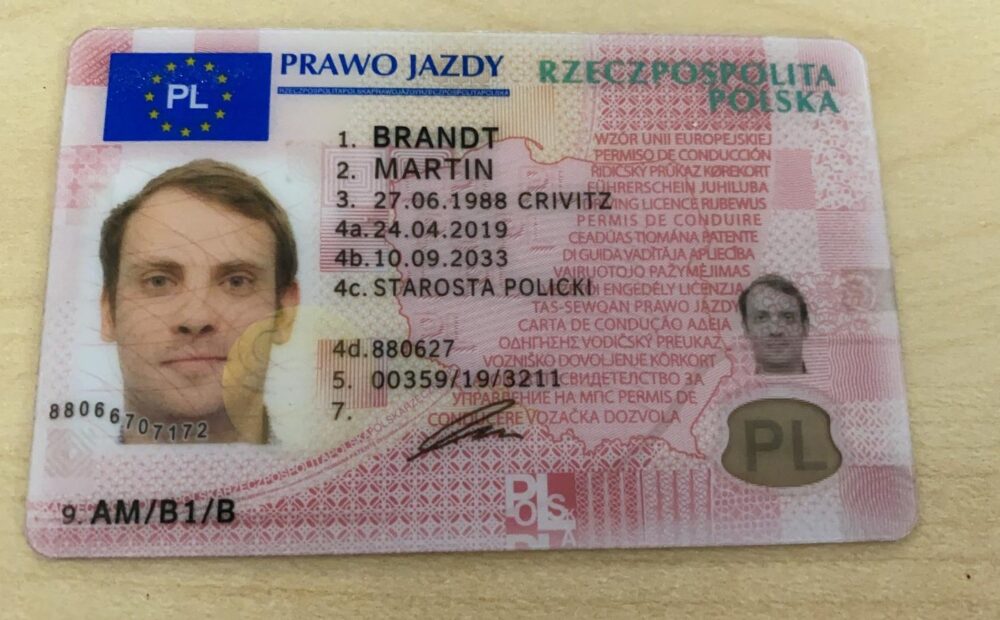
Title: The Ethical and Legal Implications of Purchasing a Driving License Without an Exam
In the realm of personal movement and liberty, a motorist's license is typically seen as an initiation rite. It represents independence and the capability to navigate the world on one's own terms. However, the procedure of getting a driver's license is not always simple. For many, it includes rigorous training, a theoretical exam, and a dry run to guarantee that people are capable of securely operating a vehicle. Yet, in some parts of the world, there are people and companies that use the tantalizing possibility of obtaining a driving license without undergoing the official examination process. This short article delves into the ethical and legal implications of buying a driving license without an examination, exploring the threats, consequences, and wider social effects.
The Allure of an Easy Solution
For those who have problem with the test process, the idea of bypassing it can be incredibly attractive. Whether it's due to test anxiety, lack of time, or an authentic belief that they are currently competent motorists, the guarantee of a motorist's license without the need to sit an examination can appear like a blessing. Nevertheless, this faster way comes with considerable risks and ethical considerations.
The Legal Landscape
1. Legality of Purchasing a Driving License
- United States: In the U.S., buying a motorist's license without taking the needed tests is prohibited. It is thought about scams and can lead to serious charges, consisting of fines, jail time, and the revocation of any gotten license.
- United Kingdom: Similarly, in the UK, obtaining a motorist's license through deceptive ways is a crime. The charges are similarly serious, with the potential for a criminal record and a restriction from driving.
- European Union: Across the EU, the guidelines vary by country, but the basic agreement is that purchasing a license without an examination is unlawful and can result in legal consequences.
2. Repercussions of Being Caught
- Criminal Charges: Individuals captured acquiring a motorist's license can face charges such as fraud, identity theft, and forgery.
- Civil Penalties: In addition to criminal charges, there may be civil penalties, such as fines and the requirement to spend for any damages triggered by driving without a valid license.
- Insurance Issues: Insurance business may refuse to cover accidents including motorists who obtained their licenses through fraudulent ways, leaving the individual economically liable.
Ethical Considerations
1. Security Concerns
- Road Safety: The main ethical issue is the potential effect on roadway security. Drivers who have actually not gone through the needed training and testing might do not have the essential abilities and understanding to run a car securely, putting themselves and others at risk.
- Public Trust: The stability of the motorist's license system counts on the assumption that all license holders have actually fulfilled the exact same standards. When this trust is jeopardized, it can result in a broader disintegration of public confidence in the system.
2. Fairness and Equity
- Level playing field: The process of acquiring a chauffeur's license is created to be reasonable and fair. By purchasing a license, individuals are circumventing a system that is meant to make sure that all drivers satisfy the same standards, which can be seen as unreasonable to those who have actually put in the time and effort to make their licenses legally.
- Resource Allocation: The resources and time purchased training and testing are significant. Enabling people to bypass this process can undermine the value of these resources and the efforts of those who manage the system.
The Broader Societal Impact
1. Economic Costs
- Health Care and Emergency Services: Accidents triggered by unqualified drivers can result in increased health care expenses and strain on emergency services.
- Insurance Rates: Higher accident rates can cause increased insurance coverage premiums for all drivers, not simply those who got their licenses fraudulently.
2. Social Trust
- Community Relations: Trust is a fundamental part of any community. When individuals engage in fraudulent activities, it can wear down the trust that binds neighborhoods together, leading to a sense of insecurity and skepticism.
Frequently Asked Questions (FAQs)
Q: Is it possible to purchase a driving license without taking the test?
- A: While there are individuals and organizations that might provide to offer you a driving license without a test, it is unlawful in the majority of countries. Engaging in such activities can result in severe legal repercussions, including fines and jail time.
Q: What are the dangers of purchasing a driving license without a test?
- A: The risks include legal charges, such as criminal charges and fines, in addition to the potential for mishaps due to absence of proper training. Furthermore, Driving license courses might decline to cover any damages if they discover that the license was gotten fraudulently.
Q: Can I still get a driving license if I have test anxiety?
- A: Yes, lots of nations offer accommodations for individuals with test anxiety, such as additional time to complete the exam or the choice to take the test in a less stressful environment. It's important to seek aid and support to conquer test anxiety instead of turning to unlawful methods.
Q: What should I do if I suspect somebody is selling driving licenses illegally?
- A: If you presume somebody is included in the unlawful sale of driving licenses, you ought to report it to the relevant authorities, such as the local cops or the department of automobile. Offering info can help avoid others from coming down with scams and make sure roadway security.
While the temptation to bypass the official process of acquiring a motorist's license might be strong, the ethical and legal implications are too substantial to ignore. The risks of buying a driving license without an examination far surpass any perceived benefits. It is necessary to appreciate the system designed to ensure roadway security and to look for legitimate methods of obtaining a motorist's license, even if it needs extra effort and time. By doing so, individuals not just protect themselves but also add to a much safer and more credible community.